Kaal Bhairav, the fierce manifestation of Lord Shiva, is revered in numerous temples across India. These sacred shrines are not only places of spiritual devotion but also act as powerful centers for those seeking protection, justice, and the destruction of negative influences in their lives. Each temple dedicated to Kaal Bhairav holds unique significance, with distinct rituals, divine idols, and historical importance.
Here, we explore some of the most famous Kaal Bhairav temples in India, where devotees gather to seek his blessings, recite mantras, and participate in rituals that bring peace, fearlessness, and protection.
Know more about Who is Kaal Bhairav?
1. Kaal Bhairav Temples, Varanasi
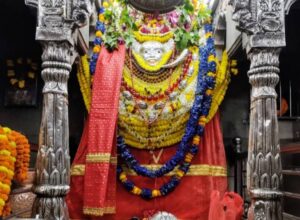 Located in the holy city of Varanasi, the Kaal Bhairav Temple is one of the most significant temples dedicated to Lord Bhairav. According to legends, this is the place where Kaal Bhairav freed himself from the Brahmahatya dosha (the sin of killing a Brahmin) by carrying Brahma’s skull. It is believed that performing rituals here helps absolve sins and offers divine protection.
The temple’s unique feature is the offering of liquor, which is traditionally presented to Lord Bhairav as part of the worship. Devotees from all over India visit this temple, especially during Kalashtami and other special occasions to invoke Bhairav’s blessings. The temple is located near the Vishwanath Temple and is an important pilgrimage site for spiritual seekers.
2. Kaal Bhairav Temples, Ujjain
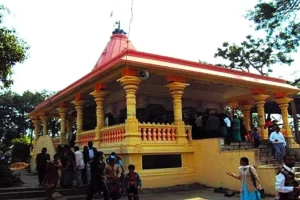 The Kaal Bhairav Temples (Bhairav Nath Temple) in Ujjain, is another popular site for Kaal Bhairav worship. This temple is one of the prominent shrines in the city, which holds immense importance in Shiva worship. It is famous for its association with the offering of liquor and mustard oil to the deity. Many devotees believe that offering these materials brings immediate blessings and protection. The temple is especially busy during the Mahakaleshwar Jyotirlinga festival and the Simhastha Kumbh Mela, where a large number of pilgrims come to seek divine favors from Lord Bhairav.
The temple is also known for its beautiful architectural design, which adds to the sacred atmosphere of Ujjain, a city considered a spiritual hub in India.
More about Kaal Bhairav Temple Ujjain
3. Kaal Bhairav Mandir, Rajasthan
 Located in the city of Rajasthan, this Kaal Bhairav Temple is a hidden gem for spiritual seekers. The temple is renowned for its serene and powerful aura, and it is believed that Lord Kaal Bhairav here protects devotees from evil forces and black magic. The temple is perched in a scenic location and is surrounded by nature, making it an ideal place for spiritual meditation and reflection.
The temple is known for its grand Kaalashtami celebrations, attracting numerous devotees from across Rajasthan and beyond. The rituals performed here are said to purify the soul and help in the elimination of negative energies.
4. Kilkari Bhairav Temples, Delhi
Nestled in the heart of bustling Delhi, right behind the historic Purana Qila (Old Fort), lies a temple that defies conventional Hindu worship practices. The Shri Kilkari Bhairav Temple is a place of ancient faith and raw energy, renowned for its unique tradition of offering alcohol to the presiding deity, a fierce manifestation of Lord Shiva.
This temple is not just a place of worship; it’s a living testament to Delhi’s layered history, where legends of the Mahabharata intertwine with modern devotion.
5. Bhairavnath Temple, Kedarnath Uttrakhand India
The Bhairavnath Temple in Kedarnath, Uttarakhand, is a significant Hindu shrine dedicated to Lord Bhairav, a fierce manifestation of Lord Shiva. It holds immense spiritual importance, particularly for pilgrims visiting the main Kedarnath Temple.
Here’s a detailed description:
Location and Accessibility:
- It is situated atop a hillock, approximately 600-800 meters from the Kedarnath Temple.
- While the Kedarnath Temple itself requires a trek, the Bhairavnath Temple is a relatively short uphill walk from the main temple.
- The temple offers mesmerizing panoramic views of the Himalayas and the Kedar Valley.
Deity and Significance:
- The temple is dedicated to Lord Bhairav, who is considered the “Kshetrapal” or guardian deity of the Kedarnath region.
- It’s believed that Lord Bhairav protects the Kedarnath Temple and the entire valley, especially during the harsh winter months when the main temple is closed due to heavy snowfall.
- Pilgrims believe their Kedarnath pilgrimage is incomplete without paying homage to Lord Bhairav at this temple.
- Devotees seek his blessings for protection, courage, and the removal of obstacles.
History and Mythology:
- The temple is believed to be over a millennium old, with its history intertwined with that of the Kedarnath Temple.
- According to local legends, Lord Bhairav was appointed by Lord Shiva to protect the Kedarnath shrine.
- There are mythological stories about Lord Bhairav’s powers and his role in the divine order, often depicting him as a fierce yet protective force.
Architecture:
- The Bhairavnath Temple is generally described as a small stone structure, often with a “shikara” (tower) and a wooden door.
- While the main Kedarnath Temple is known for its intricate stone construction using interlocked slabs, information specifically on the architectural details of the Bhairavnath Temple is less elaborate. It’s often referred to as a simple, open-air shrine.
- The idol of Lord Bhairav is typically a small brass statue adorned with flowers and garlands. A trident (trishul), believed to be Lord Shiva’s weapon, is also present.
Visiting the Temple:
- The temple is open for “darshan” (worship) from early morning to late evening.
- Special “poojas” (rituals) and “aartis” (prayer ceremonies) are performed on auspicious occasions.
- Many pilgrims offer mustard oil to the idol of Bhairavnath.
Significance of Kaal Bhairav Temples
Kaal Bhairav temples are not only spiritual hubs but also places where individuals can experience powerful rituals and blessings that help cleanse negative energies, overcome obstacles, and gain spiritual strength. Devotees who worship Lord Bhairav are often seeking protection from evil, personal transformation, and strength to overcome life’s challenges.
These temples emphasize the importance of fearlessness, justice, and the cyclical nature of time. The worship of Kaal Bhairav in these temples is deeply symbolic and aids in invoking his fierce and protective qualities.
Kaal Bhairav and the Sacred Black Dog
Across several of these temples, the black dog holds an important role, often seen as a sacred animal associated with Kaal Bhairav. In many temples, feeding or adopting a black dog is considered a direct offering to Lord Bhairav and an act that brings divine blessings